How to Pack for a Long Weekend Without Taking Too Much
My approach to long-weekend packing: a small, useful wardrobe, fewer just-in-case extras and a backpack that keeps everything manageable.
By Rachel Branson · 9 November 2026
A long weekend ought to feel like a little escape, not a complicated luggage operation. Yet packing for three or four days can be surprisingly tricky. There’s just enough time for several plans, but not enough to justify taking half the wardrobe.
My approach is to pack for what I’m actually going to do, then make each piece work a little harder. A comfortable travelling outfit, a few things that mix together and one easy way to feel dressed for dinner usually cover far more than a bag full of unrelated favourites.
Here’s how I’d put a manageable long-weekend bag together.
Start with the weekend, not the wardrobe
Before pulling anything out, I check the forecast for the actual destination, including evening temperatures and rain. Then I make a tiny list of the things the weekend involves: travelling, walking, dinner, perhaps swimming or an event.
That list stops vague possibilities becoming extra outfits. If there’s no pool, beach or spa in the plan, swimwear doesn’t need to come. If there’s a wedding, the wedding outfit does.
I also check what’s available where I’m staying. A hairdryer, towels and basic toiletries can make a real difference to what needs packing.
For this guide, I’m thinking of a three-night break with everyday exploring and relaxed evenings out. Adjust the list for your plans rather than treating it as a rulebook.
Choose the bag before you choose the clothes
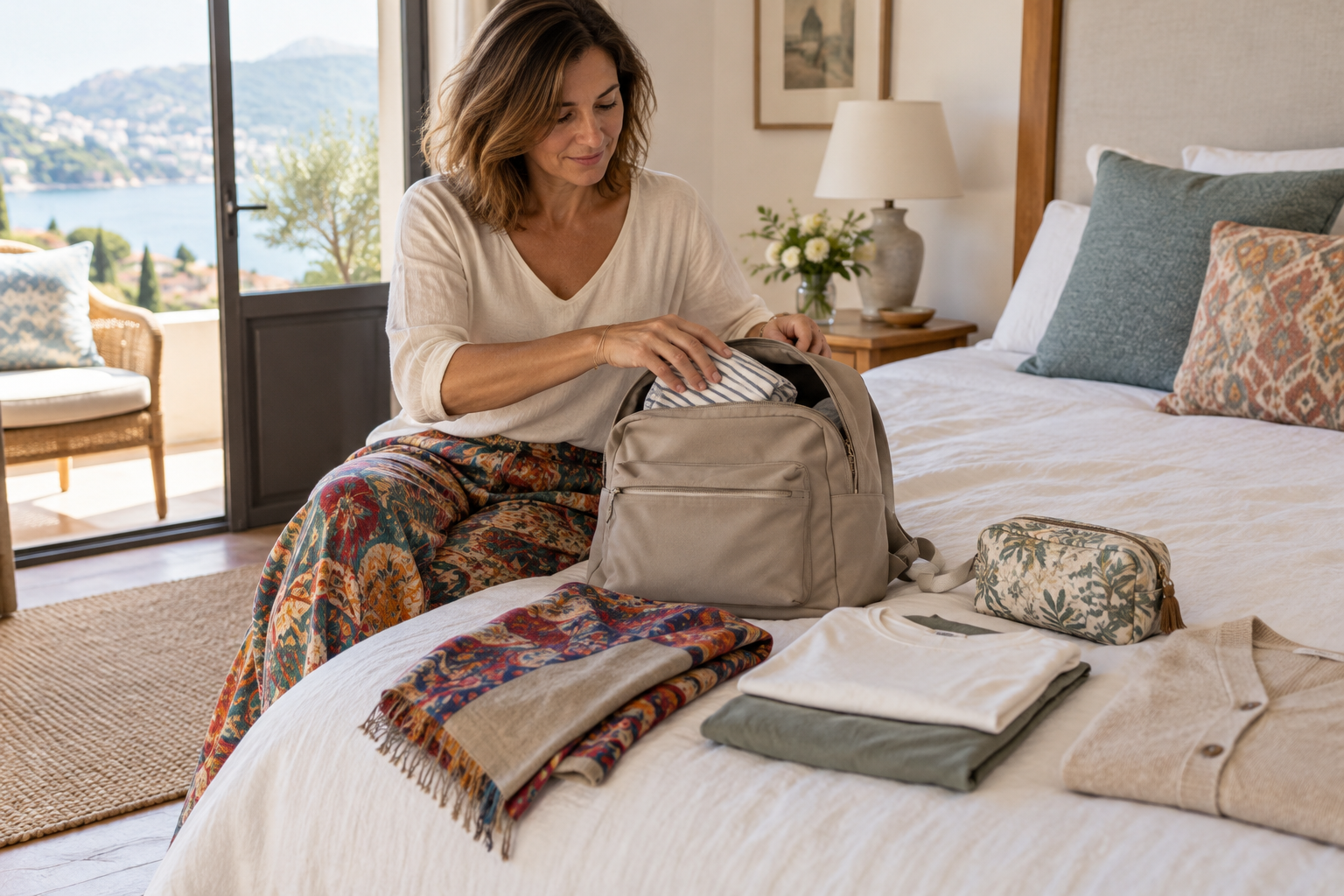
I always pack my DB Hugger Backpack 20L in Fogbow Beige. It’s travelled all over the world with me, and having a familiar bag makes packing feel much less of a puzzle.
Starting with the bag gives you a useful boundary. It’s easier to edit a small pile than to keep adding things to a large suitcase because there’s still room.
A 20-litre backpack calls for a compact wardrobe, especially if you’re taking shoes or bulky layers. Wear your biggest practical items to travel and be realistic: a cold-weather break or specialist equipment may genuinely need more space.
If you’re flying, check your airline’s current allowance for your particular ticket. Don’t assume that a backpack automatically qualifies as an under-seat personal item; compare its packed dimensions and weight with the rules.
Build outfits around a small colour palette
The simplest way to pack less is to make sure your tops and bottoms get along.
I’d start with one or two base colours, then add colour through a print, a wrap or a favourite top. That needn’t mean a beige weekend wardrobe. Bright clothes can be wonderfully easy to mix when they share a colour.
Lay everything on the bed and make actual outfits. Can both tops work with both bottoms? Does the outer layer fit comfortably over everything? Is there an outfit you’d happily wear for dinner without needing different shoes?
If a piece only works with something you weren’t otherwise taking, it needs to earn its space.
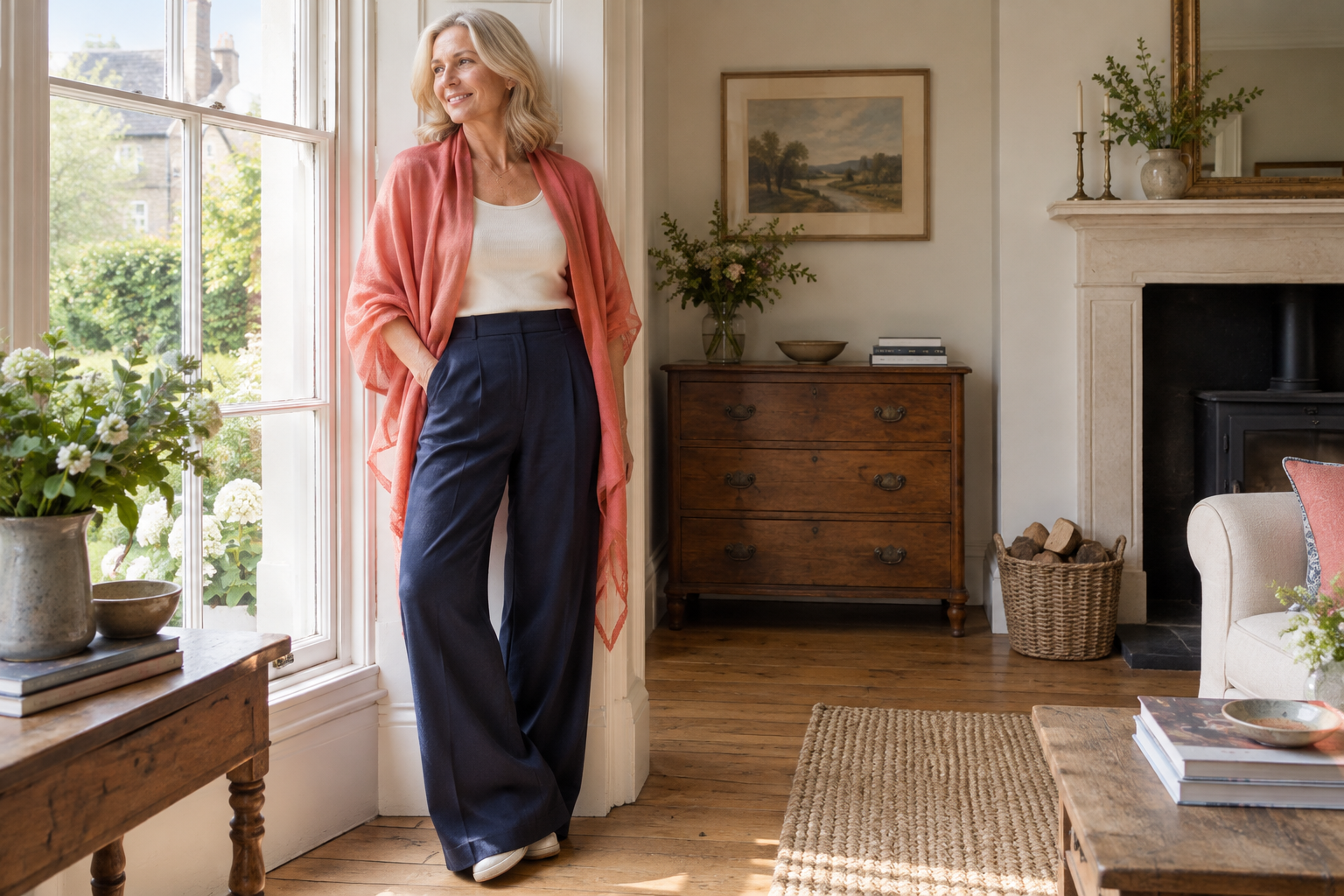
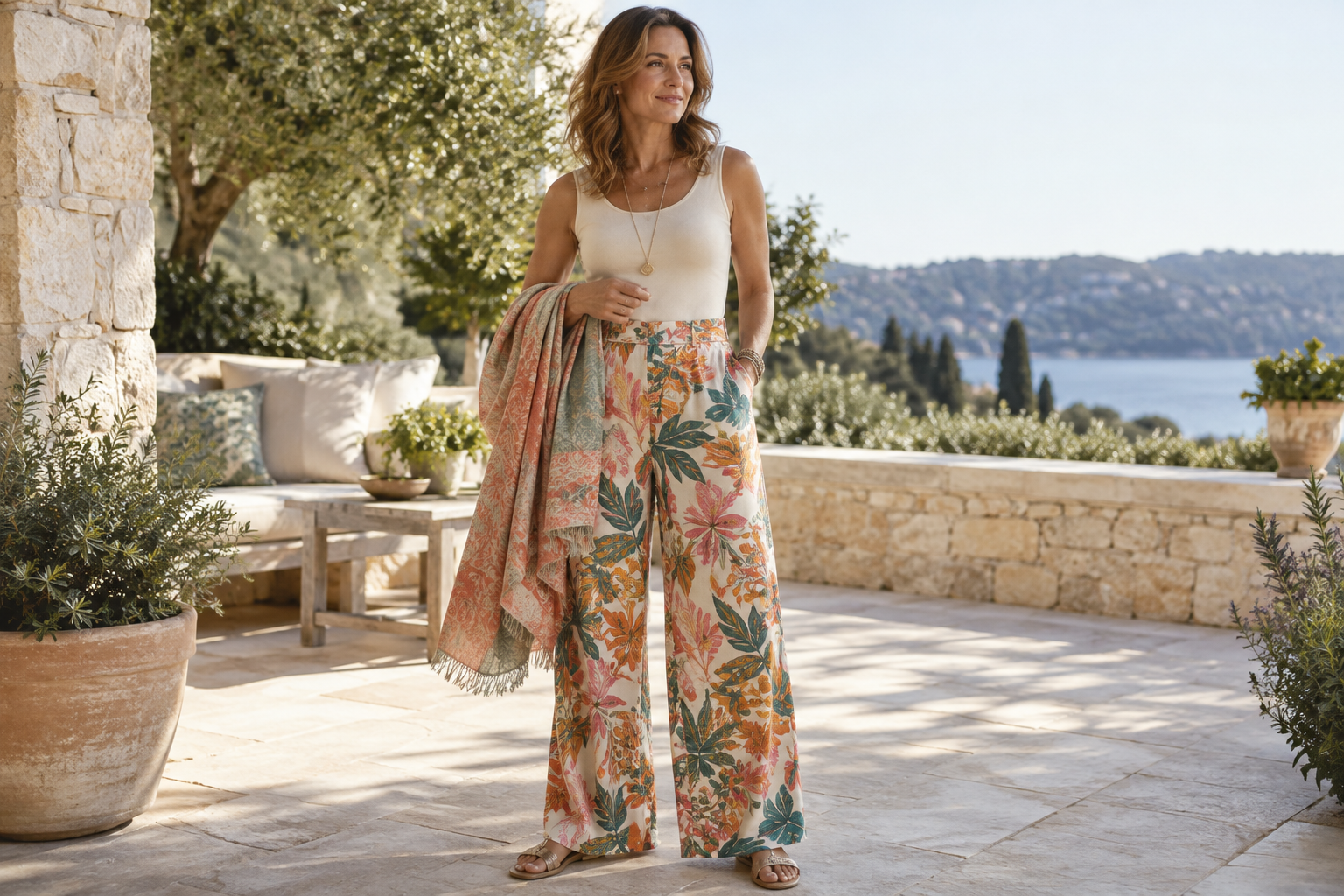
For a relaxed break, a pair of AK wide-leg trousers can be a useful starting point: casual with a simple top, then a little more dressed with jewellery. Just check the hem works with your travelling shoes as well as your evening plans.
Use a three-night clothing checklist
This is a starting point, including what you wear on the journey:
- Two bottoms: one to travel in and one alternative.
- Three tops: enough variety without packing a separate outfit for every activity.
- One warmer layer: a cardigan, jumper or light jacket suited to the forecast.
- One wrap: for an extra layer and a change of look.
- Underwear for each day, plus one spare pair.
- Socks and bras as needed: matched to your shoes and outfits.
- One set of sleepwear.
- One comfortable pair of shoes: worn to travel.
- One optional second pair: only if the itinerary genuinely needs it.
Add swimwear, exercise kit or a specific occasion outfit when there’s a reason. In hot weather, you may prefer another fresh top; in winter, a repeatable warm layer will probably matter more.
There’s no prize for the smallest bag. The aim is to have enough clean, comfortable clothing without taking lots of things you never touch.
Let one piece change the look
I’d rather change the feel of an outfit than pack an entirely new one for the evening.
A wrap is particularly handy here. Some of my AK reversible travel wraps have a print on one side and a plain colour on the other, so you can choose which side to show. Over a simple outfit, that gives you another look without another bulky layer.
I designed the wraps with that sort of versatility in mind. For packing, I’d choose the one that works with every top in the bag, rather than the one that needs a special outfit around it.
A small pair of earrings can do a similar job. Pack them in a little pouch so you aren’t searching through the bottom of your bag before dinner.
Be quite firm about shoes
Shoes are often where a tidy packing plan starts to unravel. They take up space, add weight and tend to arrive with their own list of hypothetical occasions.
Start with the pair you can comfortably walk in for the longest stretch of your plans. A weekend away is not the time to discover that lovely new shoes rub after twenty minutes.
Then ask whether a second pair solves a real problem. Sandals for warm evenings or smart flats for an occasion might make sense. A third pair “for options” probably doesn’t.
Clean the soles before packing and use a lightweight shoe bag to keep them away from clothing.
Keep toiletries small and straightforward
For a few nights, I don’t need full-sized bottles or every step of an elaborate bathroom routine.
Write down what you use during an ordinary morning and evening, then pack small amounts of the essentials. Use labelled, leak-resistant containers and test unfamiliar ones before putting them beside your clothes.
My checklist would cover:
- Toothbrush and toothpaste.
- Deodorant.
- Cleanser and moisturiser.
- Sunscreen appropriate to the destination and activities.
- Hair essentials and a small brush or comb.
- Any make-up I’ll actually wear.
- Medication and any necessary health supplies.
Keep medication accessible, with enough for the trip and a sensible allowance for delays. Check destination rules if relevant. For flights, check current airport security requirements for liquids rather than relying on what happened on your last journey.
Pack for access, not just for space
Rolling soft clothes can keep them tidy, while folding structured pieces may suit them better. Neither method magically creates unlimited room; choosing less does most of the work.
I’d use a small pouch for underwear, another for cables, and a lightweight bag for worn clothes. Packing cubes can help, but avoid filling a small backpack with so many organisers that they become luggage themselves.
Keep these easy to reach:
- Phone, wallet and travel documents.
- Tickets or booking details, downloaded where possible.
- Essential medication.
- Charger and the correct plug adaptor, if needed.
- A weather layer you might want on arrival.
Check airline rules for batteries and power banks if you’re flying. And leave a little breathing room: a bag that only closes after a wrestling match is awkward every time you need something.
Do one final edit
Once everything is packed, lift the bag and carry it around for a few minutes. Does it feel manageable? Can you get your wallet out without unpacking your trousers?
Then look for duplicates and hopeful extras. Two similar jumpers, spare shoes without a purpose and a full-sized toiletry bottle are useful places to start.
If you enjoy travel inspiration alongside the practical planning, you’ll find my travel videos on YouTube.
For me, a well-packed long-weekend bag isn’t about doing without. It’s about having what you need, knowing where it is and getting on with enjoying the weekend.
Rachel Branson
Designer and founder of Art Katsura. I travel often, review hotels and retreats, and design colourful reversible pieces made for a life well travelled.