Méribel Without the Skiing Marathon
A return to Méribel reminded me that a mountain break can include proper skiing, leisurely lunches and an afternoon doing very little. It turns out I don’t need to earn my holiday by exhausting myself.
By Rachel Branson · 8 October 2026
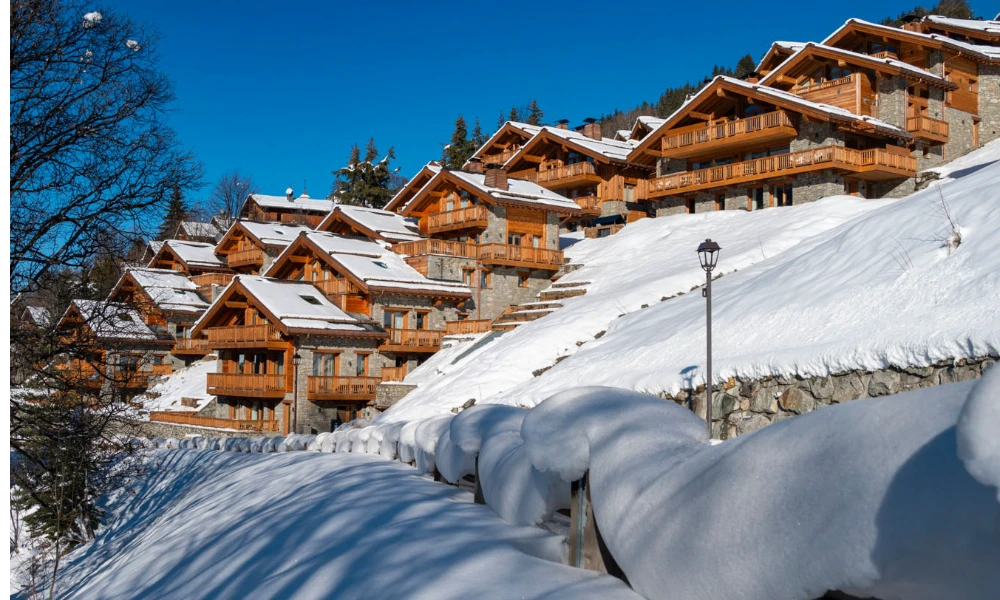
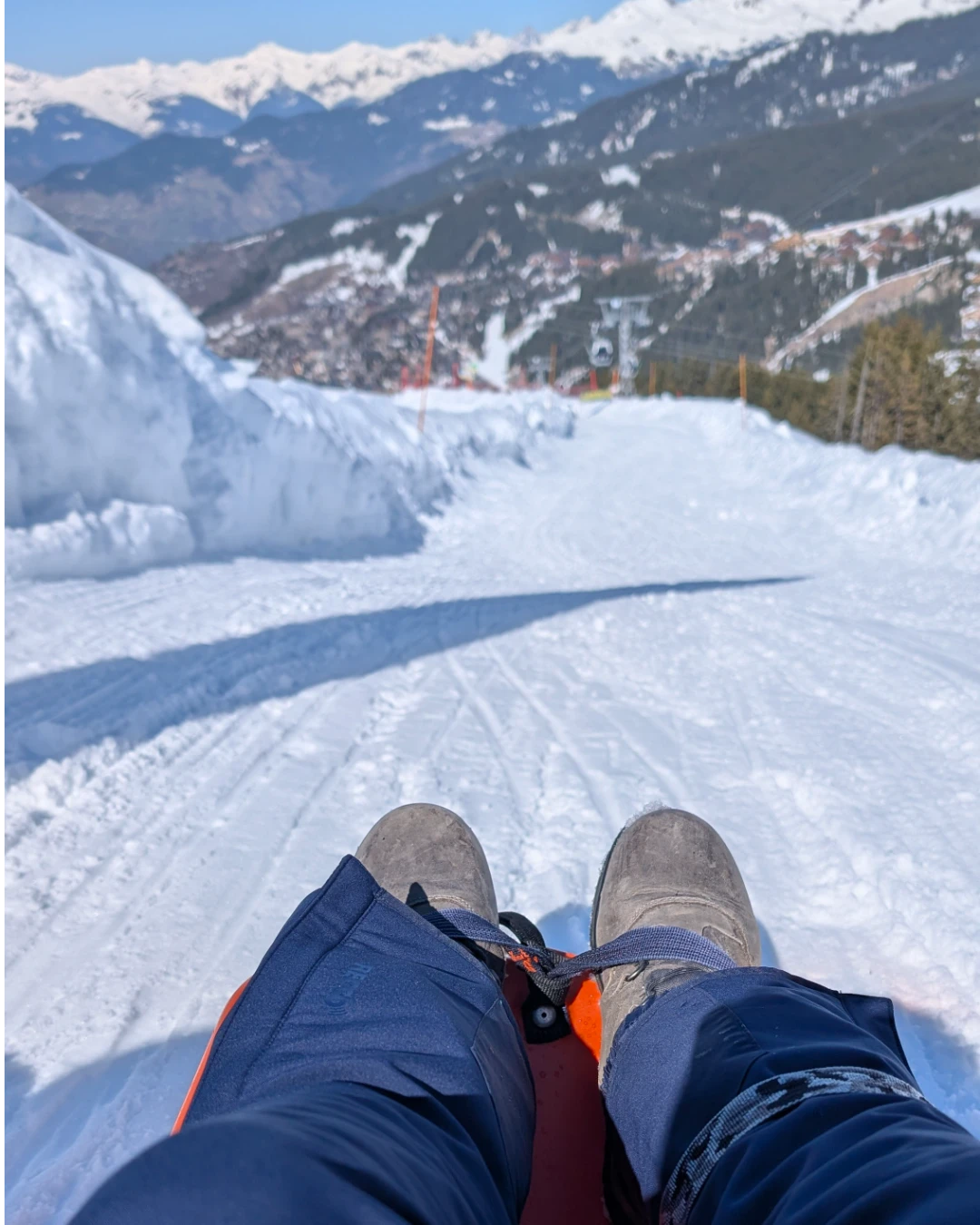
One of my favourite moments in Méribel involved getting rather too well acquainted with a snow bank. Not on skis, either. On our final day, we tried sledging, and any thoughts of looking elegant quickly disappeared.
Mission Black Forest is no gentle little slide. Its 3.4-kilometre route drops 470 metres through woodland, negotiating 28 bends along the way. We laughed a great deal, particularly when our steering didn’t quite match our intentions.
It was a useful reminder: I had come away to enjoy myself, not to complete a sporting assignment.
A holiday, not an endurance test
I started skiing aged ten. For years, our family approach was straightforward: get out early, cover as much ground as possible and keep going regardless of the weather. A quick lunch was acceptable. Stopping because you fancied a rest felt rather less so.
I still enjoy skiing enormously, but I no longer want it to dictate every hour away. Returning to Méribel after a couple of years without skiing, I was ready to try a different balance.
There was certainly no shortage of terrain. Méribel occupies a central position within the 3 Vallées, with access to roughly 600 kilometres of linked pistes. Courchevel, Val Thorens, Les Menuires and Saint-Martin-de-Belleville are all part of that wider playground.
Yet the village doesn’t feel swallowed by the scale of it. Timber balconies, stone buildings and chalet clusters keep things feeling welcoming. More than half the valley is forested, too, which gives the surroundings a lovely variety.
The appeal for me was having all that skiing available without feeling obliged to tackle every possible run.
Finding somewhere you actually want to come back to
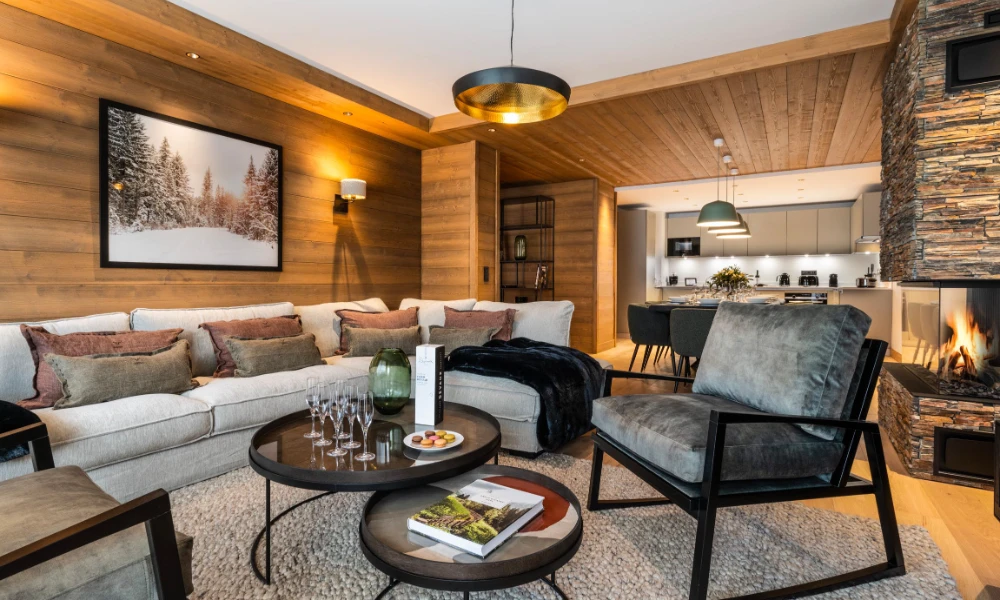
We stayed at Falcon, which you can explore through Alpine Resorts. Its apartments and chalets are arranged across the mountainside, giving it something of a little neighbourhood feel.
Finding our way between reception, the apartment and the ski storage took a bit of practice. There were enough lifts and corridors to test whether we had been paying attention. Thankfully, the apartment itself was spacious and immediately comfortable.
The real discovery was our own sauna, hammam and hot tub. Suddenly, coming back earlier didn’t seem remotely disappointing.
Falcon also has a small pool and offers treatments. Equipment hire, a ski shop, breakfast, cleaning, concierge help and private shuttles take care of much of the organising that can otherwise eat into a holiday.
I’ve become much more appreciative of these practical comforts. Carrying less equipment around and having somewhere pleasant to unwind matter more to me now than squeezing in another descent.
The best decision I made on skis
Despite having skied for decades, I booked a lesson. I hadn’t done that since childhood, and it proved far more useful than my slightly overconfident inner voice had expected.
Our instructor helped with technique, but the local knowledge was just as valuable. A coloured line on a piste map tells you only so much. It doesn’t explain where the snow has turned icy, which routes are crowded or where conditions are particularly good that morning.
Being guided around helped me settle back into skiing and understand how the area fitted together. I wasn’t spending every junction wondering whether we had chosen wisely.
I would happily start another unfamiliar resort visit this way. If you are considering it, ESF Méribel is a useful place to look into lessons. Experience doesn’t make us immune to rusty technique or changing conditions.
Making lunch part of the plan
Previously, I might have treated a mountain restaurant as a necessary interruption. Méribel made that attitude seem rather silly.
At La Folie Douce Méribel-Courchevel, our lunch came with sunshine, snowy views and performers in wonderfully elaborate costumes. Singers and dancers made the whole thing feel much closer to a show than a conventional restaurant stop.
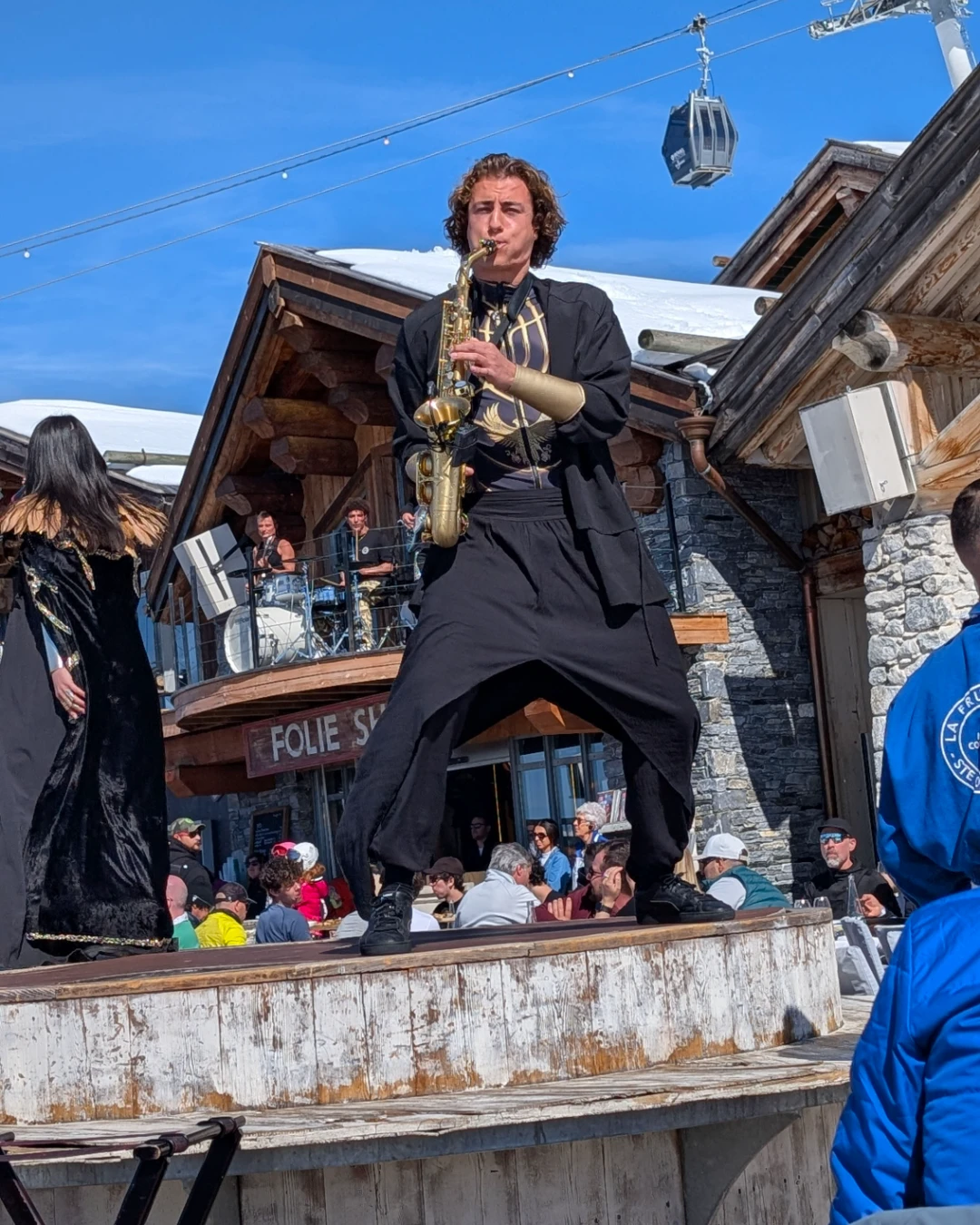
It’s a place where eating can slide quite naturally into après-ski. Dancing while wearing ski boots is apparently no obstacle, although I wouldn’t describe it as elegant footwear for the job.
Back in the resort, The Rond-Point offers more après-ski. For dinner, La Coursive des Alpes has a broad menu, including burgers, pizza, raclette and Côte de Boeuf. That variety makes it a handy option when everyone wants something different. Fifi was another part of our dining experience.
I liked allowing food to become a proper part of the trip, rather than something fitted around the skiing.
Knowing when to change the plan
Not every experience was effortless. We joined Last Track, which lets suitably experienced skiers stay up beyond the usual skiing hours on selected dates.
The quiet after the crowds had left was remarkable. The descent, however, reminded me how tricky snow becomes to read when daylight fades. Without clear shadows, judging the surface was much harder than I remembered.
We eventually stopped in a village and completed the journey by taxi. I’m quite comfortable with that decision. Enjoying a challenge doesn’t mean carrying on when it no longer feels right.
Later in the week, my feet and legs made a convincing case for another change of pace. I visited Hôtel Le Coucou, toured its rooms and restaurants, then settled into the pool and wellness areas instead of returning to the pistes.
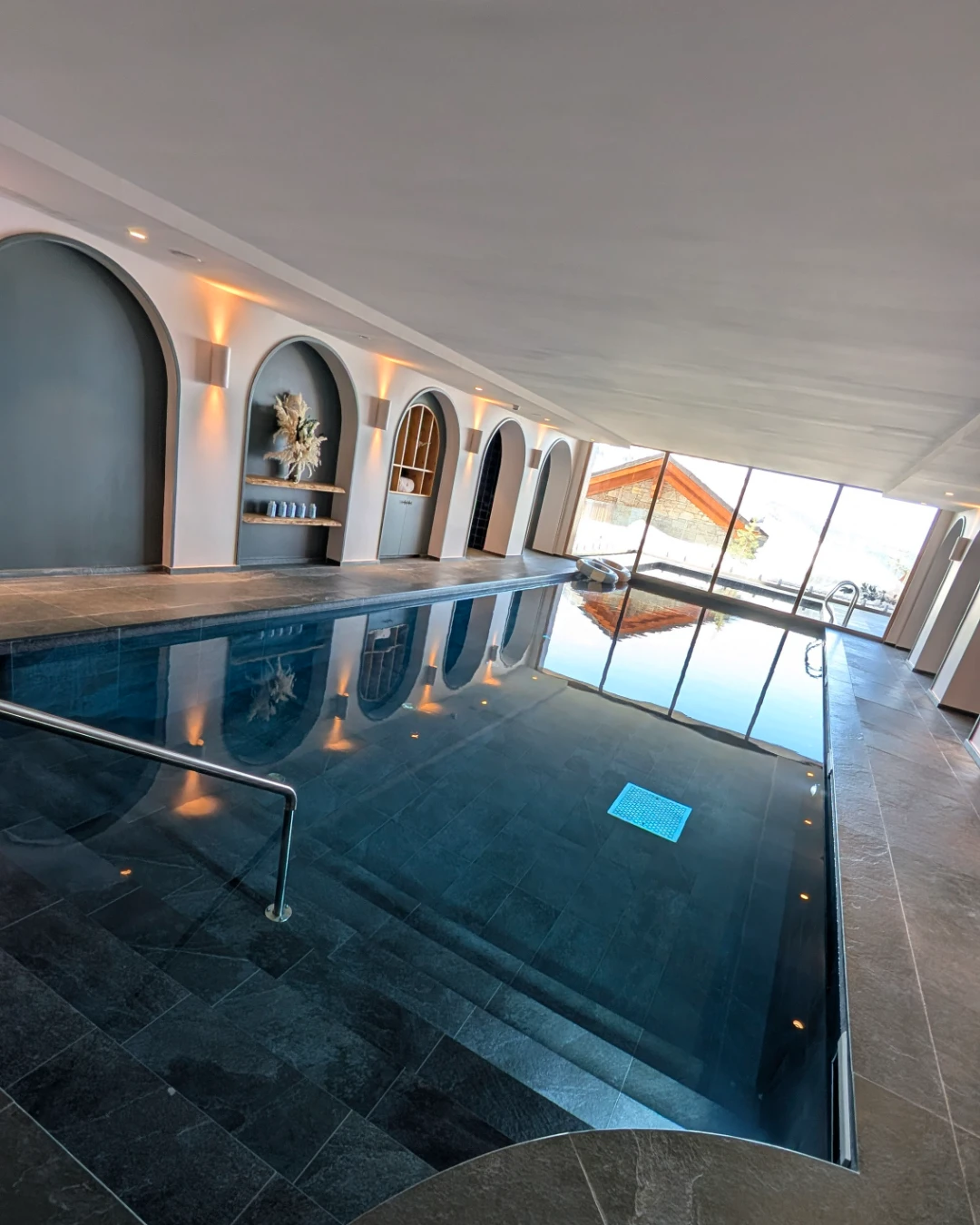
This five-star hotel sits in Belvédère at about 1,600 metres, near the Rond-Point des pistes, and operates during winter. My afternoon there was wonderfully uneventful. No route planning, no heavy boots, no need to achieve anything.
Good to know
- Arriving by train: Moûtiers-Salins-Brides-les-Bains station is about 18 kilometres from Méribel. Buses and taxis cover the remaining journey; travelling through Paris offers a rail option from Britain.
- Moving around: The seasonal Méribus network is free, so a car needn’t be your default for every outing.
- Planning your skiing: The 3 Vallées website has information on the wider linked area, with options for different abilities.
- Taking a non-ski day: Alternatives include snowshoeing, Lake Tuéda walks and the Olympic Park’s swimming, climbing and ice rink.
- Evening sledging: Himalaya by Night runs through Yéti Park on certain evenings. Consult Méribel’s official website for resort information.
- Considering Last Track: Availability is limited to selected dates, and the resort requires advanced skiing ability. It isn’t an outing I would suggest for someone nervous on snow.
A thought about getting there
The environmental cost of mountain travel deserves attention, even when we would rather concentrate on holiday plans. Méribel identifies transport as a significant contributor to a ski trip’s carbon footprint, which makes considering rail worthwhile.
Its Méribel 2038 initiative began in 2021 and addresses environmental and community priorities. Work includes biodiversity monitoring with the Vanoise National Park and restoring vegetation on pistes once the snow has gone.
That doesn’t make a holiday impact-free. It does give us something concrete to consider alongside accommodation and skiing.
What I packed
Away from ski kit, I like to keep travel dressing uncomplicated. A reversible AK wrap and wide-leg trousers are easy travel pieces: a small, flexible combination rather than a separate outfit for every possibility.
That lighter approach suits the holiday I want now. Some skiing, something delicious, a little exploring and enough breathing room to change my mind. Méribel gave me all of those—and a thoroughly undignified, very happy afternoon on a sledge.
Rachel Branson
Designer and founder of Art Katsura. I travel often, review hotels and retreats, and design colourful reversible pieces made for a life well travelled.