A Slower Kind of Stay: My Week at Park Igls
My first medical detox involved mountain walks, proper rest and rather more chewing than I was used to. Here’s how I found a week of Modern Mayr Medicine at Park Igls in Austria.
By Rachel Branson · 11 October 2026
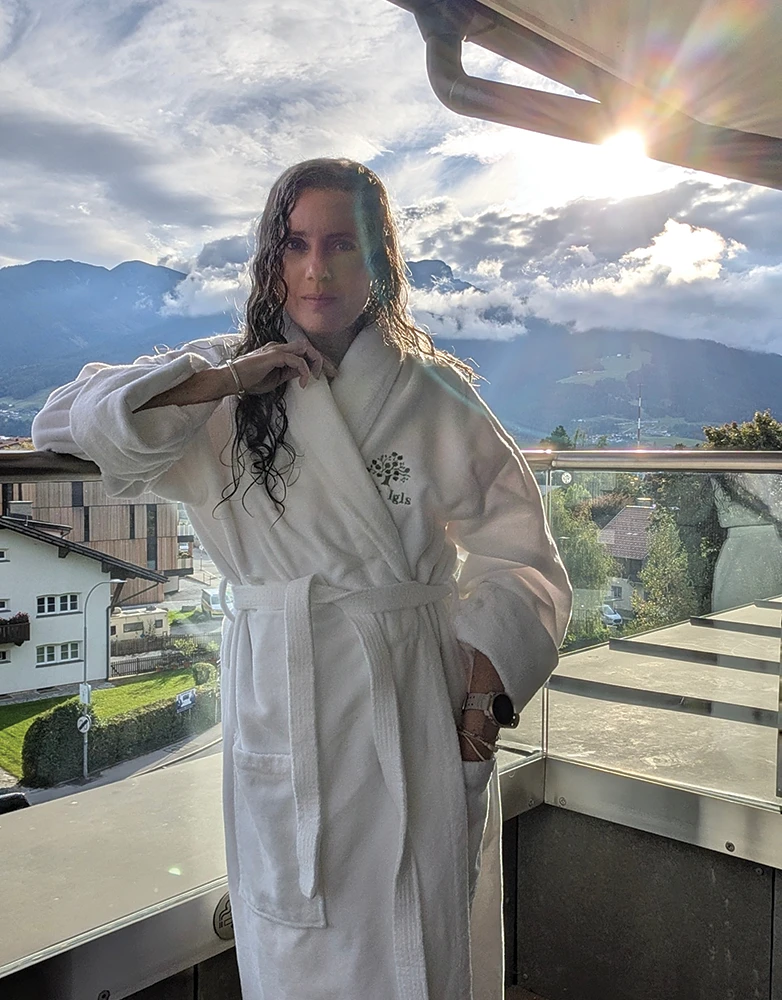
The thing I remember most clearly about breakfast at Park Igls is the chewing. Thirty to forty chews for every mouthful, to be precise. When you’re used to fitting meals around a busy day, that takes some getting used to.
There was yoghurt, an egg and a rye roll deliberately served two days old. Nothing complicated, but eating it was a lesson in paying attention. I’d come to Austria for my first medical detox, and even breakfast had something to teach me.
I’ve visited plenty of retreats, but this felt different. I was interested, a little nervous and not entirely sure what I’d signed up for. It also took me four days to properly unwind. Apparently, arriving somewhere peaceful and actually relaxing are two separate things.
Not quite a spa holiday
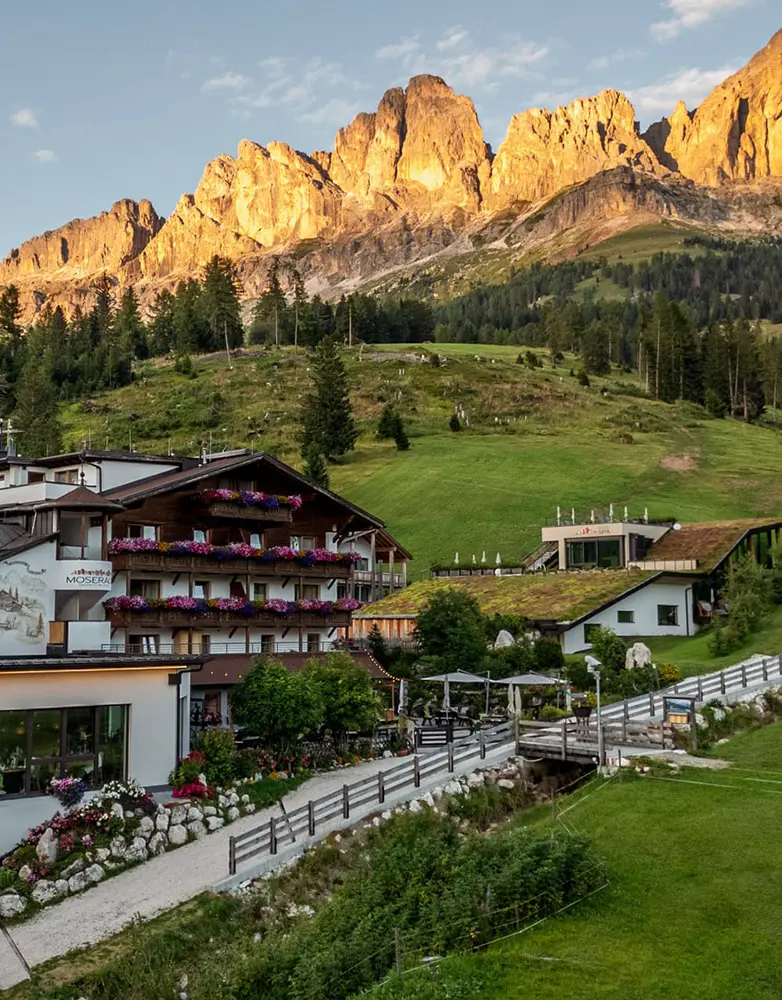
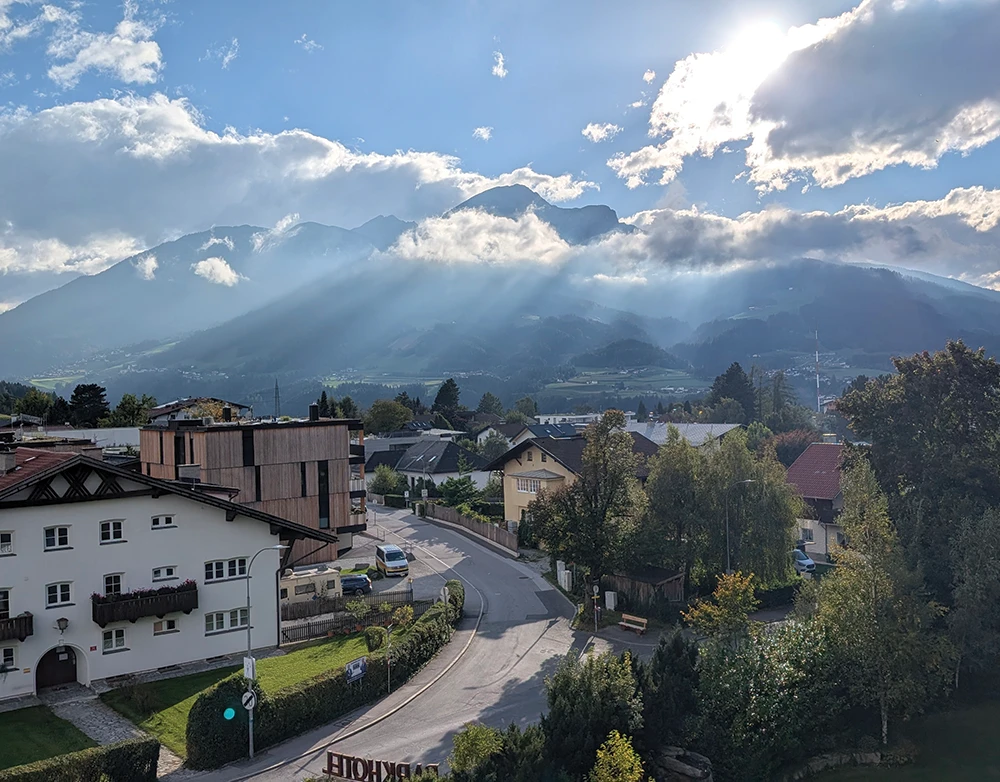
Park Igls sits above Innsbruck, with mountains and alpine meadows around it. There are spa treatments, lovely surroundings and opportunities to do very little. But the medical side isn’t an optional extra: it shapes the stay.
On my first morning, Dr. Hinteregger examined me and talked through my sleep, digestion, energy and stress. After months of travel and deadlines, I wanted a pause and hoped to reduce my waist measurement a little.
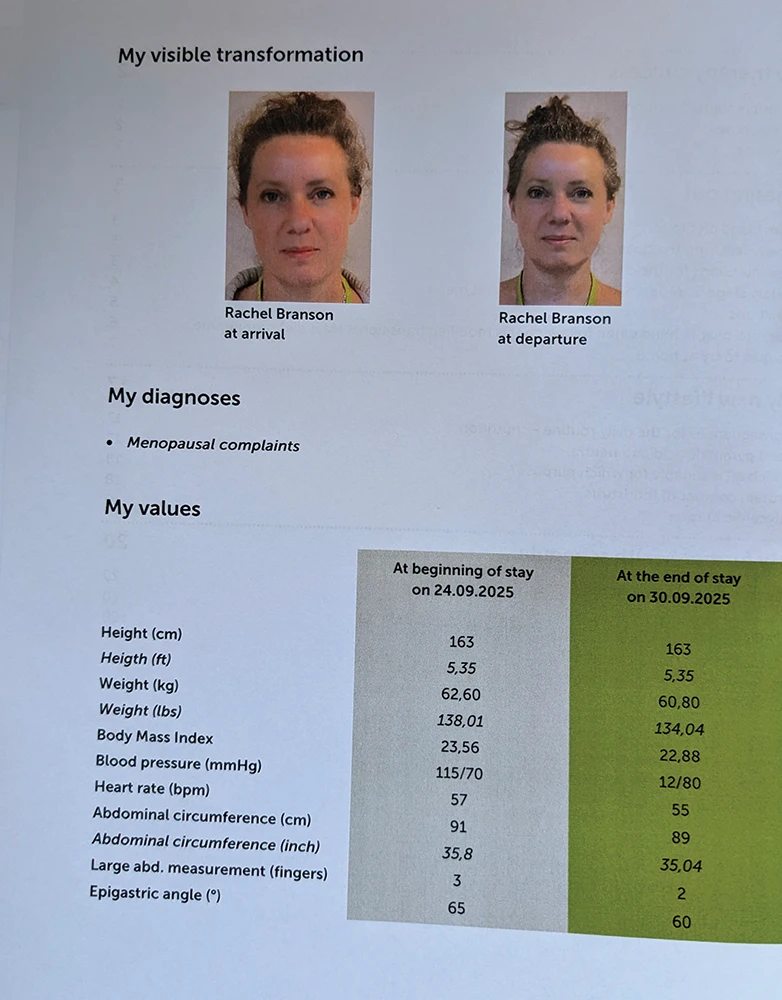
The checks included my weight, BMI, pulse and blood pressure, alongside measurements of my abdomen. My results were broadly positive, and the consultation became the starting point for a programme built around me rather than a standard timetable handed to everyone.
The doctors have conventional medical qualifications as well as Mayr training. There’s also a rehabilitation department, and Innsbruck’s university hospital is close by if further investigations or treatment are needed. That helped me understand why this wasn’t simply a hotel offering a detox menu.
A little background, without the lecture
The approach began with Austrian doctor Franz Xaver Mayr in the early 1900s. He placed digestion at the centre of health, focusing on digestive rest, cleansing, eating education and replacing minerals and trace elements.
At Park Igls, that framework now includes movement and attention to mental wellbeing. Physiotherapists and sports scientists help shape exercise plans, while the wider offering includes counselling, coaching and other supportive therapies.
The property itself opened in 1905, later becoming a sanatorium during Emperor Franz Joseph’s reign. Mayr medicine arrived in 1993 under Dr. Martin Winkler. There’s a long history here, although my own interest was quite practical: what would a week of this actually feel like?
Starting with warmth, not a workout
My introduction was a liver compress. I lay on a heated waterbed while a therapist applied beeswax and a warm compress over my liver area, then wrapped me in linen. Whatever my uncertainty about the week ahead, lying there felt wonderfully restful.
A welcome session with Dr. Peter Gartner and a tour with Andrea Gnagi helped put the programme into context. Back in my room, I found the Mayr Guide, covering everything from drinking water to abdominal treatments.
My room looked towards the mountains and had its own infrared sauna. Between that and the guide, there was plenty to explore without immediately rushing off to the next thing.
Learning to give meals their own time
There are eight dietary levels, so guests aren’t all eating the same meals. My plan started at Level 2 and moved towards Level 5. At the most restrictive end there’s a tea fast, used for only a small proportion of guests; higher levels offer more substantial dishes.
For me, lunch was the main meal. Initially, it included about 30g of protein, with quantities increasing during the week. Evenings were simpler: vegetable soup and crispbreads.
Water wasn’t served alongside meals under the programme’s eating rules, and distractions were discouraged. I’m describing what I followed there, under medical supervision, rather than suggesting everyone should adopt the same routine at home.
The surprise was that I seldom felt hungry. By the third day, I noticed that I felt clearer-headed and had more energy than I’d expected from such simple meals.
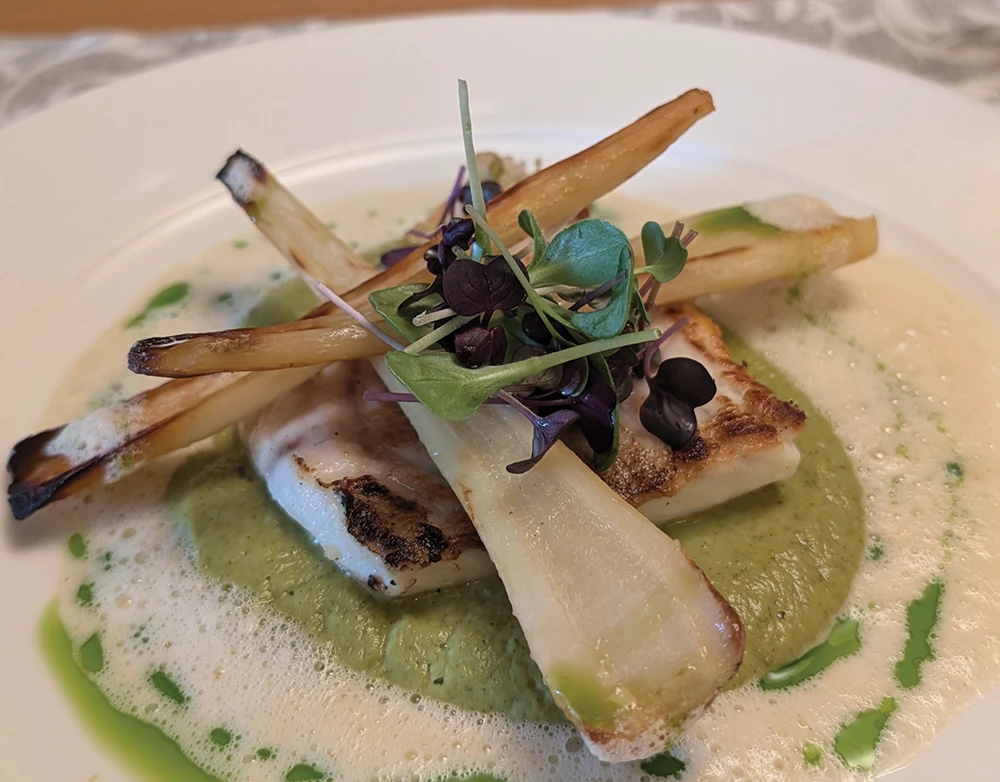
And simple didn’t mean careless. The chefs work with seasonal ingredients sourced locally, and presentation mattered. A class with resident chef Markus Sorg gave me a closer look at the cooking behind what arrived on our plates.
Treatments, walks and a bit of breathing space
Mornings included the programme’s ‘bitter water’, containing magnesium sulphate, or Epsom salts. It acts as a laxative, and the taste certainly wasn’t a highlight. This was part of my supervised stay, not a habit I’d suggest copying independently.
A brisk walk before breakfast was much more appealing. Then the day might bring massage, physiotherapy, a treatment or some time to rest.
I tried Kneipp foot baths, switching between warm and cold water, along with hay-flower and moor-mud compresses. The Cleopatra Pack was particularly enjoyable: a warm treatment combining milk from mares and goats with evening primrose oil.
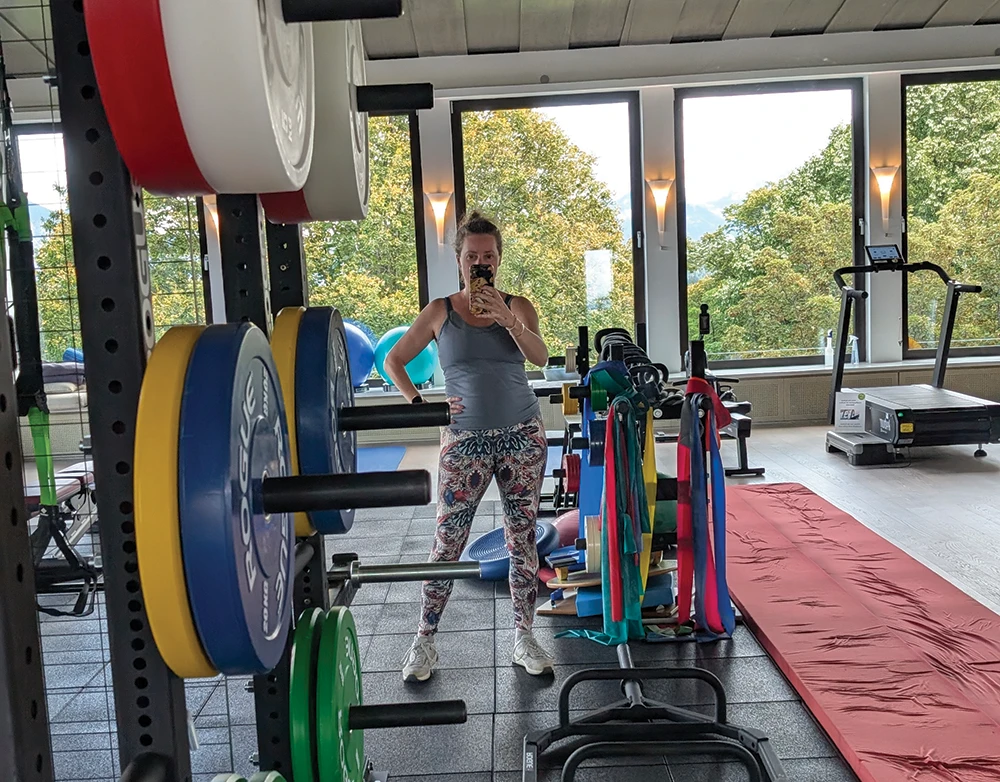
Massage varied too, from deeper work without oil to reflexology. Physiotherapy addressed the posture that comes with too many hours at a desk, while personal training helped bring regular movement back into focus.
What I appreciated was the combination. It wasn’t all lying down, and it wasn’t an exhausting schedule of exercise either.
Getting outside the treatment room
Guided walks took us into alpine woodland. During herbal workshops, we gathered nettles, yarrow and dandelions and learnt about their traditional uses. I also made rosemary oil, herbal salt and a headache balm.
Those practical sessions were a welcome change of pace. So was the chance to visit the opera in Innsbruck. Other evenings were quieter, with stretching or time in the infrared sauna.
The week had enough variety to keep me interested, but also enough space for the slowing down I’d struggled with initially.
What I packed
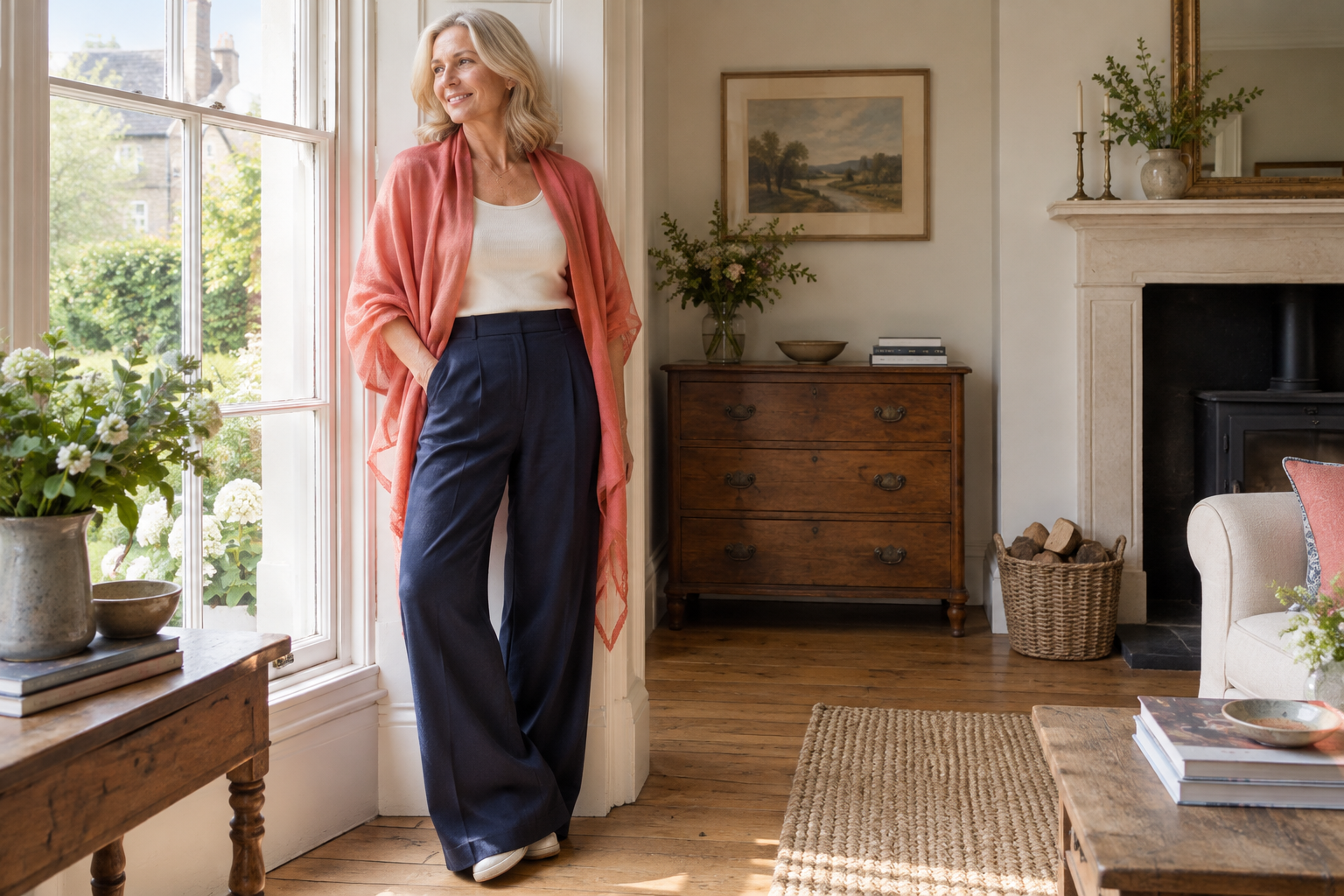
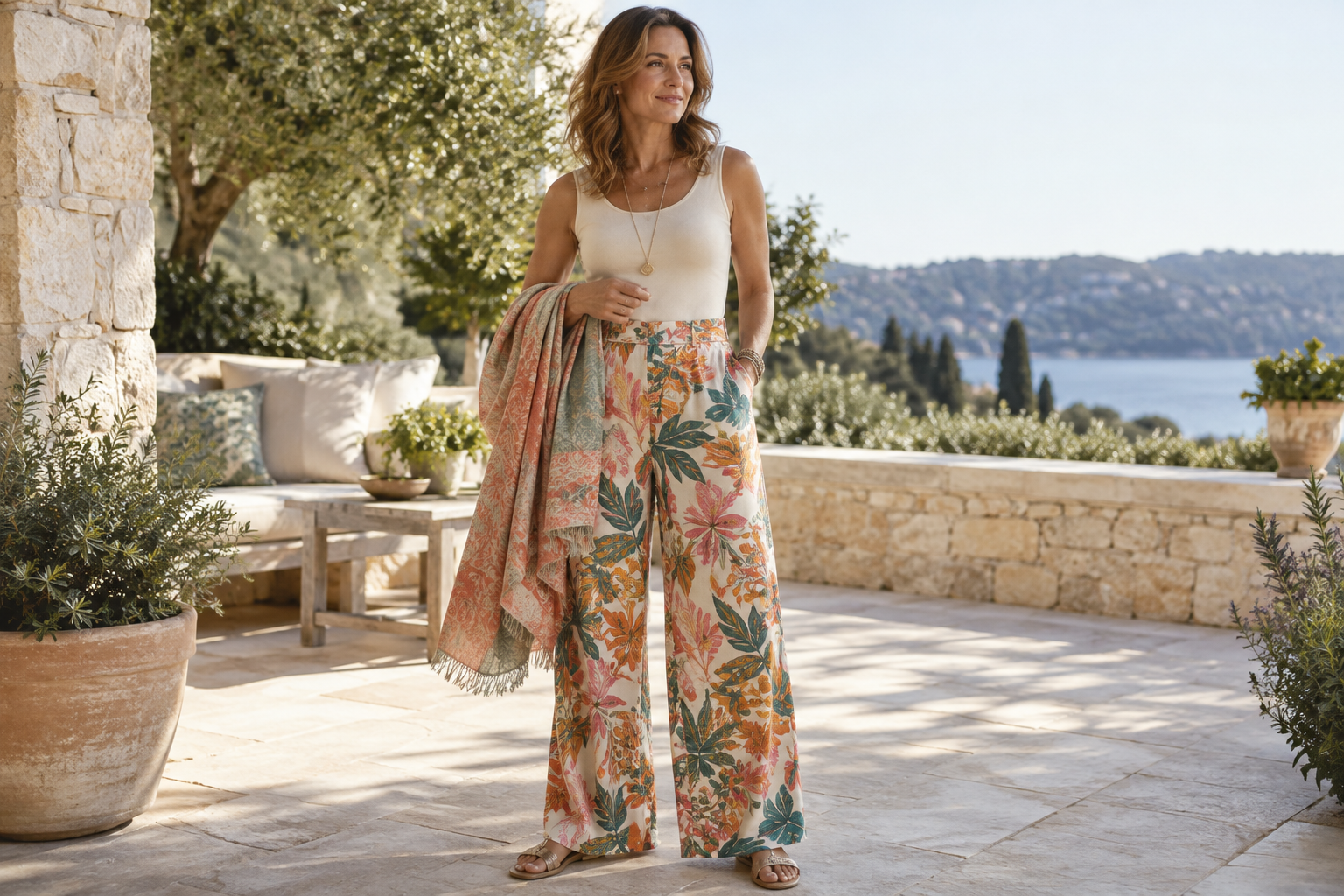
For this kind of trip, I like to keep clothes uncomplicated. A reversible AK wrap and wide-leg trousers are easy travel pieces: comfortable, versatile and not something I need to spend much time thinking about. A stay focused on rest doesn’t need an elaborate wardrobe.
Good to know
- Park Igls is above Innsbruck in Austria, with access to walks in the surrounding alpine landscape.
- The recommended minimum visit is a week; some guests book a fortnight or three weeks.
- An arrival health assessment informs your individual food, movement and treatment programme.
- Dietary levels vary, so another guest’s meals may look quite different from yours.
- My room included a private infrared sauna; that describes my accommodation, not necessarily every room.
- Find further information directly through the Park Igls website.
What came home with me
My final checks showed I’d lost 2kg and reduced my abdominal measurement by 2cm. Those were my results from that particular week, not a promise of what someone else would experience.
More memorable was how I felt: rested, clearer and more comfortable in my posture. My skin looked brighter too.
I didn’t arrive already good at switching off, and the setting didn’t magically change that overnight. But having time, structure and people looking after the details helped. The lesson I’ve kept is a fairly ordinary one: give meals your attention, make room for movement and allow rest to take a little longer than you think.
Rachel Branson
Designer and founder of Art Katsura. I travel often, review hotels and retreats, and design colourful reversible pieces made for a life well travelled.